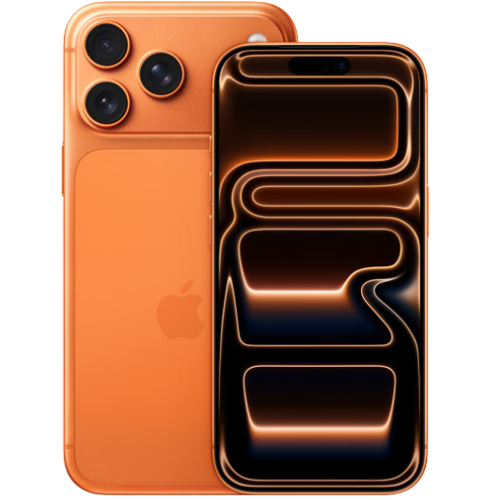
At LCD Buyer, we often hear from people who are unsure whether their damaged iPhone screens still have any real value. Many assume that once a screen is cracked, scratched, or removed from a device, it is no longer useful. However, that is not always the case. In many situations, a damaged iPhone screen can still be valuable, especially if the display, touchscreen, LCD, OLED, connectors, or other key parts are still working properly.
It is essential to understand why your iPhone Screen is Worth Selling even when damaged.
Recognising when your iPhone Screen is Worth Selling can greatly impact your decision on whether to keep or sell.
If you have an old iPhone screen sitting in a drawer, a damaged phone you no longer use, or replacement parts left over after a repair, you may be able to turn that unwanted item into cash. The value of your screen depends on several factors, including the iPhone model, the condition of the display, whether the touchscreen responds correctly, and whether there is any internal damage.
When assessing your items, consider if your iPhone Screen is Worth Selling based on its condition.
Understanding whether your iPhone Screen is Worth Selling can help you avoid throwing away something that may still have value. Instead of assuming your broken screen is useless, it is worth learning what buyers look for and why some damaged screens can still be repaired, refurbished, or reused.
Investing time in determining if your iPhone Screen is Worth Selling is a wise choice.
In this blog, we will explain the top signs that your broken iPhone screen may still be valuable. By recognising these signs, you can make a more informed decision about whether to sell your damaged screen and make the most of your unwanted device parts.
Understanding the value of your iPhone Screen is Worth Selling helps in making informed choices.
Why Broken iPhone Screens Can Still Have Value
Before looking at the specific signs, it is helpful to understand why damaged iPhone screens can still be worth money. An iPhone screen is made up of several different parts. These may include the outer glass, touch digitiser, LCD or OLED display panel, flex cables, connectors, frame, and other small components that allow the screen to work properly.
A functional iPhone Screen is Worth Selling, especially when assessed correctly.
In many cases, only one part of the screen is damaged. For example, the glass may be cracked, but the display underneath may still work perfectly. The touchscreen may still respond accurately, the colours may still appear bright, and the screen may still be suitable for refurbishment.
Knowing when your iPhone Screen is Worth Selling is important because many damaged screens are not completely broken. A cracked screen may still contain working parts that are useful to repair shops, refurbishers, and parts buyers.
It’s crucial to remember that your iPhone Screen is Worth Selling if it’s still intact.
There is also strong demand for replacement iPhone parts. iPhones are popular devices, and many users prefer repairing their phone rather than replacing it completely. This creates a market for screens that can be restored, repaired, or used for parts.
Selling your damaged iPhone screen can also support more sustainable practices. Instead of sending electronic waste to landfill, usable parts can be recycled, refurbished, and returned to the repair market. This reduces waste while allowing you to earn money from something you may have considered worthless.
Utilising your iPhone Screen is Worth Selling can contribute to a circular economy.
1. Minor Cracks
One of the clearest signs that your damaged screen may still have value is the presence of only minor cracks. Many people believe that any cracked screen is useless, but that is not always true. If the damage is light and the display still works properly, the screen may still be valuable.
The presence of minor cracks should not deter you from believing that your iPhone Screen is Worth Selling.
Minor cracks are often cosmetic rather than functional. This means the outer glass may be damaged, but the internal display components remain in good condition. If the screen still lights up, shows images clearly, and responds to touch, buyers may still be interested in purchasing it.
A screen with small cracks around the edges may be worth more than one with deep cracks across the centre. However, even screens with visible cracks across the front can sometimes be refurbished if the underlying LCD or OLED panel is not damaged.
A screen with minor cracks is often a strong sign that your iPhone Screen is Worth Selling, especially when the touchscreen and display still perform correctly. Small scratches, hairline cracks, and surface marks do not always destroy the value of the screen.
A screen with minor cracks is still a strong indication that your iPhone Screen is Worth Selling.
When checking your screen, look carefully at the type of damage. Are the cracks shallow? Are there only a few small scratches? Does the display still show a clear image? If the answer is yes, your screen may still be worth selling.
At LCD Buyer, screens with minor cracks are often considered because they may still be suitable for repair or refurbishment. Instead of throwing the screen away, it is worth checking whether it can be sold.
2. Fully Functional Display
Ensuring that your iPhone Screen is Worth Selling involves checking its functionality.
A fully functional display is one of the most important factors in determining the value of your broken iPhone screen. Even if the glass is cracked, the screen may still have value if the display itself works properly.
A working display should light up without issue. It should show images, text, colours, icons, and videos clearly. There should be no major black spots, heavy discolouration, lines, flickering, blank areas, or dead zones.
A fully functional display is key to determining if your iPhone Screen is Worth Selling.
Buyers are often interested in broken screens when the LCD or OLED panel is still functioning. This is because the display panel is one of the most important and valuable parts of the screen. If it can be reused or refurbished, the screen has a better chance of being sold.
One of the easiest ways to know whether your iPhone Screen is Worth Selling is to test whether the display lights up clearly and performs as expected. A bright, stable display is a major positive sign.
Testing to see if your iPhone Screen is Worth Selling requires checking for any display issues.
To test the display, turn on the iPhone if the screen is still attached. Check whether the image appears correctly. Open different apps, adjust the brightness, and look for unusual problems such as flickering, green lines, white lines, pressure marks, or dark spots.
A cracked screen with a fully working display can often be much more valuable than a screen with no cracks but serious internal display damage. Functionality is one of the main things buyers consider when assessing value.
3. No Internal Damage
Another important sign that your iPhone screen is worth selling is the absence of internal damage. Internal damage can affect whether the screen can be repaired, refurbished, or reused. Even if the outside of the screen looks acceptable, hidden issues can reduce its value.
Noticing the absence of internal damage is crucial for verifying if your iPhone Screen is Worth Selling.
Internal damage may include problems with the LCD or OLED panel, digitiser, connectors, backlight, or flex cables. It may also include damage caused by water, pressure, impact, or poor removal during repair.
Another sign your iPhone Screen is Worth Selling is the absence of problems such as liquid damage, display lines, dead pixels, or serious touch faults. A screen with clean internal components is usually more attractive to buyers.
A clean screen indicates that your iPhone Screen is Worth Selling to a buyer.
One of the most common forms of internal damage is liquid damage. If an iPhone has been exposed to water or moisture, the screen components may become corroded. This can lead to display problems, touch issues, or complete screen failure.
Signs of internal damage may include flickering, discolouration, ghost images, black patches, or parts of the screen not responding. If the display shows random colours or has large dead areas, the value may be lower.
Water exposure can significantly impact whether your iPhone Screen is Worth Selling.
It is also important to check the digitiser. The digitiser is the part of the screen that detects touch input. If the display works but the touchscreen does not respond correctly, the screen may still have some value, but it will usually be worth less than a screen with full touch functionality.
Connectors are another key area to inspect. If the screen has been removed from the phone, make sure the flex cables and connectors are not torn, bent, or missing. Buyers often prefer screens with intact connectors because they are easier to test and refurbish.
Ensuring that connectors are intact strengthens the claim that your iPhone Screen is Worth Selling.
4. Popular iPhone Model
The iPhone model your screen came from can significantly influence its value. Screens from popular models are usually in higher demand because more people own those devices and need replacement parts.
For example, iPhone models such as the iPhone 8, iPhone X, iPhone XR, iPhone 11, iPhone 12, iPhone 13, and newer models often have strong demand in the repair market. The more common the model, the more likely repair shops and refurbishers are to need replacement screens.
The model of the device can also determine whether your iPhone Screen is Worth Selling, as popular iPhone models usually have a stronger market for replacement parts. Newer and high-demand models may attract better offers.
Older models can still have value, but demand may vary. Some older iPhones remain popular because they are affordable and widely used. Others may have less demand because fewer people are repairing them. However, it is still worth checking before assuming an older screen has no value.
Newer iPhone screens may be worth more because replacement parts can be more expensive and harder to source. OLED screens, in particular, can be valuable if they are still functional. Screens from Pro and Pro Max models may also attract stronger interest due to their higher repair costs.
If you are unsure which model your screen came from, check the iPhone’s settings if the phone still works, look at the original device information, or compare the screen size and layout with known iPhone models. Knowing the exact model can help buyers provide a more accurate valuation.
5. Original Parts Included
When evaluating screens, remember that your iPhone Screen is Worth Selling if it has original parts.
Having the original parts included can increase the value of your iPhone screen. Buyers often prefer screens that still have original components attached because they may be more reliable and easier to refurbish.
Original parts can include connectors, frames, brackets, flex cables, and other small components that were part of the original screen assembly. These parts can be useful during the refurbishment process and may help ensure compatibility with the correct iPhone model.
Buyers are more inclined to purchase a screen if they believe your iPhone Screen is Worth Selling.
If your screen includes original parts, connectors, or the frame, your iPhone Screen is Worth Selling for a better possible return. A complete screen assembly is usually more appealing than a screen with missing or damaged parts.
A screen that has been removed carefully and still includes its original connectors is generally more valuable than a screen with torn cables or missing components. If the connectors are damaged, the screen may be harder to test or refurbish.
Original Apple parts are often valued more highly than low-quality aftermarket parts. This is because original screens typically offer better display quality, colour accuracy, touch response, and overall reliability.
When preparing your screen for sale, avoid removing any parts unless you know exactly what you are doing. Small components may seem unimportant, but they can affect the value. Keep the screen assembly as complete as possible.
If you have screws, brackets, or additional original parts from the device, keep them together. Including these parts can show that the screen has been handled carefully and may help improve the offer.
6. No Significant Cosmetic Damage
No significant cosmetic damage can reaffirm that your iPhone Screen is Worth Selling.
Cosmetic condition plays an important role in determining the value of a damaged iPhone screen. While minor cracks and light scratches may still be acceptable, significant cosmetic damage can reduce the screen’s worth.
Cosmetic damage includes visible issues such as deep scratches, chips, dents, heavy cracking, missing glass, bent frames, or damaged edges. The more severe the damage, the harder it may be to refurbish the screen.
Maintaining a reasonable condition ensures your iPhone Screen is Worth Selling in the market.
When there is no serious cosmetic damage, your iPhone Screen is Worth Selling even if there are small scratches or light cracks. Minimal cosmetic damage makes the screen easier to repair and more attractive to buyers.
A screen with a few small cracks may still be valuable if the display works properly. However, a screen with shattered glass, missing pieces, or sharp damage may be less desirable. Severe damage can increase the amount of work needed to repair the screen and may also suggest possible internal damage.
Deep scratches across the main display area can also affect value. Even if the display is functional, heavy scratches may make the screen harder to resell after refurbishment. Buyers may still be interested, but the offer may be lower.
Frame condition is another factor to consider. If the frame around the screen is bent, warped, or heavily damaged, it may affect how the screen fits into another device. A straight, intact frame is usually preferred.
That said, cosmetic damage does not always mean the screen is worthless. Many damaged screens can still be sold for refurbishment or parts. The key is whether the major components are still working and whether the screen can be repaired cost-effectively.
7. Working Touchscreen
Confirming that your touchscreen works correctly reinforces that your iPhone Screen is Worth Selling.
A working touchscreen is one of the strongest signs that your iPhone screen is worth selling. The touchscreen is essential to the user experience, so buyers place a high value on screens that respond accurately to touch.
A working touchscreen should register taps, swipes, and gestures without delay or error. Every area of the screen should respond correctly, including the corners and edges. If some areas do not respond, this may indicate digitiser damage.
A responsive touchscreen adds value to your belief that your iPhone Screen is Worth Selling.
A working touchscreen is a major reason your iPhone Screen is Worth Selling, because buyers often look for screens that can be repaired and reused. Touch response is one of the most important parts of screen functionality.
To test the touchscreen, unlock the phone and use different apps. Try typing on the keyboard, scrolling through pages, opening apps, and dragging icons around the screen. This can help you identify any unresponsive areas.
Even if the glass is cracked, a functioning touchscreen shows that your iPhone Screen is Worth Selling.
Ghost touch is another issue to watch for. Ghost touch happens when the screen registers touches that you are not making. This can cause apps to open randomly, pages to scroll by themselves, or the keyboard to type without input.
Screens with ghost touch may still have some value, but they are usually worth less than screens with normal touch response. A screen that has both a working display and a working touchscreen is much more valuable than one with only partial functionality.
If your touchscreen works even though the glass is cracked, do not assume the screen is worthless. This is exactly the type of screen that may still have value.
8. Bright and Clear Image Quality
Screens that deliver bright and clear images are those that your iPhone Screen is Worth Selling.
Image quality is another sign that your iPhone screen may be worth selling. A screen that displays bright, clear, and accurate images is more desirable than one with visual defects.
Check whether the screen brightness works properly. If the screen appears dim even at full brightness, there may be a backlight or display issue. A screen that adjusts brightness smoothly and remains easy to see is usually more valuable.
Brightness issues can detract from whether your iPhone Screen is Worth Selling.
If the display shows bright colours, clear images, and no major defects, your iPhone Screen is Worth Selling rather than being discarded. Strong image quality shows that the screen may still be useful for repair or refurbishment.
Colour quality also matters. The display should show colours accurately without strange tints, fading, or discolouration. If the screen has a green, yellow, blue, or pink tint, this could reduce its value.
Look for lines or marks across the display. Vertical or horizontal lines can indicate internal panel damage. Black spots, white patches, or pressure marks may also reduce the screen’s worth.
A clear image with no dead zones is a good sign. If the screen displays photos, videos, and text sharply, it may still be suitable for refurbishment. Buyers often look for screens that can be restored with minimal work, and strong image quality is a major advantage.
Even if the front glass is cracked, a bright and clear display can make the screen worth selling. The display panel is often one of the most valuable parts of the screen assembly.
9. The Screen Has Been Removed Carefully
Presentation matters when your iPhone Screen is Worth Selling, especially during evaluations.
If your iPhone screen has already been removed from the device, the way it was removed can affect its value. Screens that are removed carefully are more likely to retain working components and intact connectors.
During screen removal, flex cables can be damaged if too much force is used. Connectors can be bent, torn, or pulled away from the screen. The frame can also become warped if the screen is removed incorrectly.
A screen’s removal method can directly influence if your iPhone Screen is Worth Selling.
A carefully removed screen should have intact cables, clean connectors, and no unnecessary damage. If the screen was removed by a professional repair technician, it may be in better condition than one removed without the proper tools.
If the screen has been removed carefully, your iPhone Screen is Worth Selling because it is more likely to be tested, repaired, and refurbished successfully. Buyers often prefer screens that have been handled properly.
Proper handling shows a commitment to ensuring your iPhone Screen is Worth Selling.
If you plan to remove a screen before selling it, take care not to damage the parts. Use proper repair tools and avoid pulling on cables. If you are not confident, it may be better to sell the screen while it is still attached to the device or have it removed by someone experienced.
Careful removal shows that the screen has a better chance of being refurbished. This can make it more attractive to buyers and may improve the amount you receive.
Buyers often appreciate that your iPhone Screen is Worth Selling when it is well cared for.
10. The Screen Comes From a Genuine iPhone
Authenticity can also affect the value of your iPhone screen. Genuine iPhone screens are often worth more than low-quality replacement screens because they usually offer better performance and reliability.
Ensuring authenticity can significantly increase how much your iPhone Screen is Worth Selling.
Many iPhones are repaired using aftermarket screens. Some aftermarket screens are high quality, while others are much cheaper and may not be as desirable. Buyers often look for original screens because they are more likely to meet Apple’s quality standards.
If the screen came from a genuine device, your iPhone Screen is Worth Selling because original screens are often more attractive to refurbishers and parts buyers. Genuine screens may offer better colour, brightness, touch sensitivity, and fit.
Genuine parts typically mean your iPhone Screen is Worth Selling at a higher rate.
It can sometimes be difficult to tell whether a screen is original, especially if you bought the phone second-hand. However, there are some signs. Original screens usually have consistent brightness, smooth touch response, and high-quality construction. Aftermarket screens may look slightly different, feel less responsive, or have lower display quality.
Even if your screen is not original, it may still have value. However, genuine screens are generally more desirable in the repair and refurbishment market.
When selling your screen, be honest about whether you know it is original. If you are unsure, say so. Accurate information helps buyers assess the screen properly and can make the selling process smoother.
11. The Screen Has Not Been Exposed to Water
Discussing its condition helps clarify that your iPhone Screen is Worth Selling.
Water exposure can seriously affect the value of an iPhone screen. A screen that has not been exposed to liquid is usually more desirable because it is less likely to have hidden internal problems.
Moisture can damage the display panel, touchscreen, connectors, and internal circuits. Even if the screen works at first, corrosion can develop over time and cause future failure.
Making sure there are no issues with water damage solidifies that your iPhone Screen is Worth Selling.
If there are no signs of water exposure, your iPhone Screen is Worth Selling because dry, clean components are usually easier to refurbish. Buyers are more confident when a screen has no liquid damage.
Signs of water damage may include flickering, dark patches, fogging under the glass, discolouration, or inconsistent touch response. Corrosion around connectors can also suggest liquid exposure.
No signs of moisture will help reassure potential buyers that your iPhone Screen is Worth Selling.
If your iPhone was dropped in water or exposed to moisture, the screen may still have some value, but it will depend on the extent of the damage. Buyers may need to inspect it more carefully before making an offer.
A screen with no liquid damage is a stronger candidate for resale. If the device has always been kept dry and the screen works properly, this is a positive sign.
Your screen’s integrity plays a huge role in determining if your iPhone Screen is Worth Selling.
12. There Are No Burn-In Marks
For iPhones with OLED screens, burn-in can affect value. Burn-in happens when a faint image remains visible on the screen even when the display changes. This can occur when the same icons, navigation bars, or images are shown for long periods.
Burn-in is more common on OLED displays than LCD displays. It may appear as faint shadows, outlines, or ghost images. For example, you might see the shape of a keyboard, app icons, or status bar even when viewing a blank screen.
A screen with no burn-in is more valuable because it can provide a cleaner viewing experience after refurbishment. Buyers prefer displays that show images evenly without permanent marks.
If your OLED display has no burn-in, your iPhone Screen is Worth Selling because the panel may still deliver clear, even image quality. This is especially important for newer iPhone models with high-quality OLED screens.
To check for burn-in, display a plain white, grey, or light-coloured background. Look carefully for shadows or leftover image outlines. If the screen looks even and clean, that is a good sign.
Ensuring a clean appearance indicates that your iPhone Screen is Worth Selling.
Minor burn-in may not make a screen worthless, but it can reduce value. Severe burn-in may make the screen less desirable for reuse.
13. Face ID and Sensor Areas Are Intact
Maintaining intact components can confirm that your iPhone Screen is Worth Selling.
Some iPhone screens include areas and components related to sensors, cameras, and Face ID functionality. While Face ID itself is tied to specific internal components, the screen’s sensor area and surrounding structure can still affect value.
Damage near the top of the screen, especially around the notch or Dynamic Island area on newer models, can be more concerning. This area may include important openings and alignment points for cameras, sensors, and speaker components.
A clean sensor area indicates that you believe your iPhone Screen is Worth Selling.
If the top section of the screen is intact and has not been badly cracked or damaged, that is a positive sign. A clean sensor area can make the screen easier to refurbish and reinstall.
If the sensor area is clean and undamaged, your iPhone Screen is Worth Selling because the screen may be easier to reuse during a repair. Buyers may inspect this area carefully when assessing condition.
Cracks, chips, or missing glass near the top of the display may reduce value. This does not always mean the screen is worthless, but it can affect the final offer.
If your screen has only minor damage away from the sensor area and the top section remains intact, it is more likely to be worth selling.
14. The Screen Still Fits Properly
A screen that remains physically straight and properly shaped is usually more valuable than one that is bent or warped. Fit matters because the screen may need to be refurbished and installed into another iPhone.
A properly fitting screen is critical to ensure that your iPhone Screen is Worth Selling.
If the frame is bent, the screen may not sit correctly in the device. This can cause gaps, pressure points, or installation issues. A bent frame may also suggest that the screen experienced a strong impact.
Check the edges of the screen carefully. They should be straight and even. If one corner is lifted, crushed, or twisted, the value may be reduced.
Maintaining a straight frame is essential to prove your iPhone Screen is Worth Selling.
If the screen still has a straight frame and proper shape, your iPhone Screen is Worth Selling because it can be easier to refurbish and reinstall. A well-shaped screen assembly is usually more appealing than one with severe structural damage.
Even if the glass is cracked, a screen with a good frame and proper shape may still be suitable for refurbishment. Physical condition matters because buyers need parts that can be handled, tested, and repaired safely.
15. You Have More Than One Screen to Sell
If you have multiple iPhone screens, they may be worth selling together. Many buyers are interested in bulk purchases because it allows them to process, refurbish, or recycle several screens at once.
When selling multiple items, every iPhone Screen is Worth Selling counts.
Repair shops, technicians, and businesses may accumulate broken screens over time. Instead of storing them indefinitely, selling them in bulk can be a practical way to recover value.
Even if some screens are more damaged than others, a mixed batch may still be worth evaluating. Some may be suitable for refurbishment, while others may be useful for parts.
Bulk sales can significantly enhance that your iPhone Screen is Worth Selling.
If you have several damaged screens, each iPhone Screen is Worth Selling if it has useful parts, working display components, or repair potential. Bulk selling can make the process faster and more convenient.
If you have several screens, sort them by model and condition if possible. This can make the selling process easier and may help you receive a more accurate offer.
Bulk selling can also save time. Rather than selling each screen separately, you can send multiple screens to one buyer and receive payment for the lot.
At LCD Buyer, we aim to make the process simple for individuals, repair shops, and businesses looking to sell unwanted iPhone screens.
How to Check Whether Your iPhone Screen Has Value
If you are unsure whether your screen has value, there are several simple checks you can do before selling it.
First, test the display. Turn on the phone and make sure the screen lights up. Check for lines, black spots, flickering, or discolouration. A clear display is a strong sign of value.
Second, test the touchscreen. Tap, swipe, scroll, and type to make sure the screen responds accurately. Check all areas of the display, including the edges and corners.
Third, inspect the glass. Look for cracks, scratches, chips, or missing pieces. Minor damage may be acceptable, but severe damage can reduce value.
Fourth, check for liquid damage. Look for moisture marks, corrosion, or unusual display behaviour. Screens with no water damage are usually more desirable.
Fifth, identify the iPhone model. The model can have a major impact on demand and value. Newer and popular models are often worth more.
Before throwing your damaged screen away, it is always worth asking whether your iPhone Screen is Worth Selling to a trusted buyer. A quick inspection could show that your screen still has resale or refurbishment value.
Ultimately, your iPhone Screen is Worth Selling if all components are functioning.
Finally, keep all original parts together. If the screen has been removed, make sure the connectors, frame, and other components are intact. These details can make a major difference in determining whether the screen is worth selling.
Why You Should Sell Instead of Throwing It Away
In summary, your iPhone Screen is Worth Selling when it maintains functionality.
Throwing away a damaged iPhone screen may seem like the easiest option, but it is often not the best choice. Many screens still contain valuable components that can be reused, repaired, or responsibly recycled.
Electronic waste is a growing problem. Phones and phone parts contain materials that should not simply be sent to landfill. By selling your damaged screen, you help extend the life of useful components and support a more sustainable repair industry.
Many people do not realise their iPhone Screen is Worth Selling until they check the display, touch response, model, and overall condition. What looks like waste may still be useful to a buyer who understands refurbishment.
Selling also allows you to recover money from something you no longer need. Even if the screen is damaged, it may still have value to the right buyer. This is especially true if the display and touchscreen are working.
Repair and refurbishment help reduce demand for brand-new parts. This can lower waste and make repairs more affordable for other iPhone users.
At LCD Buyer, we believe that damaged screens should be assessed before they are discarded. Many people are surprised to learn that their broken screen can still be turned into cash.
Understanding that your iPhone Screen is Worth Selling helps you get value from it.
Common Mistakes to Avoid When Selling a Broken iPhone Screen
When selling a damaged iPhone screen, there are a few mistakes that can reduce its value or make the process more difficult.
One common mistake is assuming the screen is worthless because the glass is cracked. As explained above, cracked glass does not always mean the display is unusable. If the LCD, OLED, or touchscreen still works, the screen may still be valuable.
Another mistake is removing parts unnecessarily. Some sellers remove brackets, connectors, or frames without realising these parts may be useful. It is usually best to keep the screen assembly as complete as possible.
Poor packaging is another issue. Screens are fragile, even when already damaged. If a screen is not packed properly, it can suffer additional damage during shipping. Use protective packaging to reduce the risk of further cracks or connector damage.
To get the best result when your iPhone Screen is Worth Selling, provide honest details about the model, condition, display quality, touch response, and any known damage. Accurate information helps buyers assess the screen properly.
It is also important not to wait too long if you are planning to sell. Demand and value can change over time as models become older. Selling sooner may help you get a better offer, especially for newer iPhone screens.
How LCD Buyer Makes the Selling Process Easier
At LCD Buyer, we make it simple to sell your damaged iPhone screens. Whether you have one broken screen or a larger quantity, our process is designed to be straightforward and rewarding.
We understand that not everyone knows how to assess screen condition. That is why we help identify the key factors that affect value, including model, functionality, cosmetic condition, and internal damage.
Selling to LCD Buyer makes it easy to find out if your iPhone Screen is Worth Selling and turn your unwanted part into cash. Instead of guessing, you can work with a buyer that understands the market for damaged LCD and OLED screens.
Our goal is to give unwanted screens a second life whenever possible. Screens that can be refurbished may be repaired and reused, while parts that cannot be restored may still be handled responsibly.
When screen condition is optimal, your iPhone Screen is Worth Selling.
Selling to LCD Buyer can save you time compared with trying to find individual buyers. Instead of listing your screen online, answering messages, negotiating prices, and dealing with uncertainty, you can work with a buyer that understands the value of damaged screens.
We are committed to helping customers turn unwanted device parts into value while supporting sustainable practices. If your screen meets any of the signs discussed in this blog, it may be worth getting in touch.
Final Thoughts
A damaged iPhone screen may be worth more than you think. Minor cracks, a fully functional display, a working touchscreen, no internal damage, and strong image quality are all signs that your screen could still have value. Screens from popular iPhone models or those with original parts included may be even more desirable.
Before throwing away a broken screen, take a few minutes to inspect it. Check whether the display lights up, whether the touchscreen responds, whether there are signs of liquid damage, and whether the connectors and frame are intact. These details can make a major difference in determining whether the screen is worth selling.
In conclusion, your iPhone Screen is Worth Selling if it has a functional display, responsive touchscreen, minimal internal damage, and strong resale demand. Even visible cracks do not always mean the screen has no value.
In all circumstances, your iPhone Screen is Worth Selling if it meets the criteria.
Selling your damaged iPhone screen is not only a smart way to earn cash from an unwanted part, but it also supports a more sustainable approach to electronics. By allowing usable components to be repaired, refurbished, or recycled, you help reduce waste and support the repair industry.
At LCD Buyer, we are committed to helping you turn your unwanted iPhone screen into a valuable asset. Whether your screen has minor cracks, cosmetic damage, or comes from a popular iPhone model, it may still be worth selling.
If you have a damaged iPhone screen that fits the criteria mentioned above, reach out to LCD Buyer today. We make the selling process easy, efficient, and rewarding, helping you get the most from your unwanted screen while promoting responsible reuse and recycling.