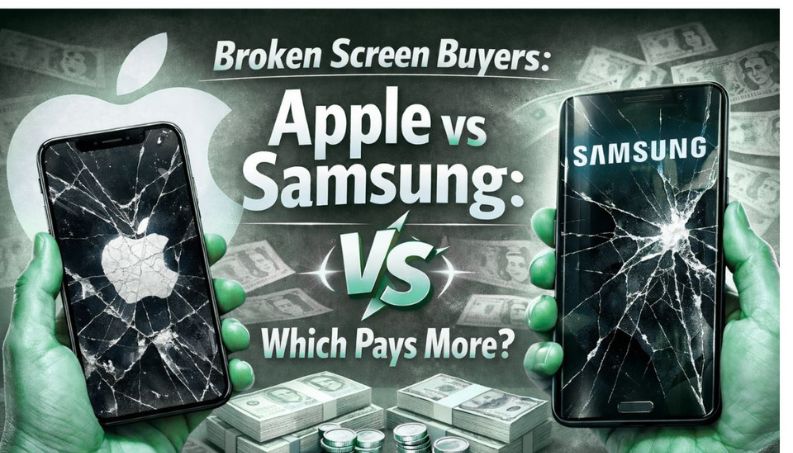
Due to high demand, Apple screens often command higher recycling prices; however, the worth of some Samsung OLED panels may surprise you. Many individuals throw away their old phones without understanding that the glass might be worth a significant amount of money.
“According to the United Nations Institute of Training and Research, a record 62 million tonnes (Mt) of e-waste was produced in 2022, Up 82% from 2010. Smartphones with broken screens that still have functional LCD or OLED panels underneath make up a significant amount of this garbage. As a result, there is a huge market for broken screen buyers who wish to repair these components.”
This guide compares the two giants to see which brand reigns supreme in the recycling market.
Key Takeaways
- Recycling costs for Apple screens are often more consistent across all previous models.
- Prices for Samsung screens can be higher if they are premium OLED panels that don’t “burn in.”
- Only original panels with flawless touch functionality are paid for by recyclers.
- Recycling phone screens preserves rare earth metals and drastically lowers the amount of e-waste produced worldwide.
- Since screen values decrease with the release of newer phone models, prompt action is essential.
Why Do People Pay for Damaged Displays?
Purchasing something that is defective sounds odd. Broken Screen Buyers, on the other hand, focus on the value beneath the surface. Professional recyclers do not want the broken glass on top—they want the sophisticated display panel concealed underneath. Your screen is valued if there are no ink spots and your touch feature is still functional.
This process is often referred to as “screen harvesting.” Tech professionals replace the broken glass with a new layer, producing a “Grade A” restored part. These restored displays are in high demand because authentic original screens are expensive, making Broken Screen Buyers an ideal option for turning your damaged device into cash.
Apple vs Samsung Screen Recycling: The Battle of Value
When we look at Apple vs Samsung screen recycling, the market behaves differently for each brand. All of Apple’s models have a pretty similar design. This facilitates their mass processing by recyclers.
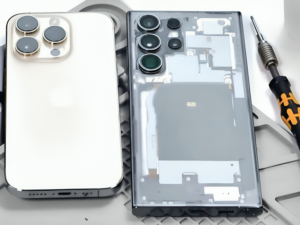
But when it comes to curved AMOLED technology, Samsung frequently sets the standard. Because of their high manufacturing costs, these screens can occasionally have higher individual scrap values.
Which Phone Screen Pays More?
The answer to the question of which phone screen pays more typically depends on the device’s age. Screens from more recent iPhone models typically retain a larger portion of their initial value. This is due to the enormous and ongoing demand for iPhone repairs.
The cost of raw materials for Samsung screens is frequently greater. However, the market for broken screen buyers may decline rapidly due to Samsung’s wide range of devices. A two-year-old Samsung screen will often cost more than a two-year-old iPhone screen.
How to Sell Broken Apple Screens for Top Value
You must act quickly if you wish to sell broken Apple screens. When a new model is released, Apple’s values inevitably fall after remaining high for a long period.
Make sure the “digitiser” is undamaged in order to obtain the greatest deal. This implies that the screen should continue to react flawlessly to your touch.
Because Apple screens are utilised in “swap programs,” they are highly valued. Refurbished genuine Apple screens are preferred by many repair firms over inexpensive third-party replicas.
This ongoing demand for authentic parts keeps money coming into your wallet.
Getting the Best Price to Sell Broken Samsung Screens
In order to successfully sell broken Samsung screens, you need to look for “screen burn.” Faint shadows or ghost images are common with Samsung’s AMOLED displays. The value decreases if there are visible icons burned into the background or if your screen has a pink tint.
However, if your Samsung screen is clear and only the glass is cracked, you are in luck. Samsung produces its own panels; the quality is top-notch. Because the “S” and “Note” series panels are so expensive to purchase brand new, Samsung screen recycling price listings frequently display high numbers for these panels.
Comparing the Resale Figures
| Feature | Apple Screens | Samsung Screens |
| Market Demand | Extremely High | High |
| Price Stability | Very Stable | Fluctuates |
| Common Issues | Dead Pixels | Screen Burn / Tint |
| Technology | LCD & OLED | Mostly Curved AMOLED |
| Recycle Value | Higher on older models | Higher on flagship OLEDs |
The Environmental Impact of Phone Screen Recycling
Choosing phone screen recycling is about more than just saving money. The planet is winning. The ecology is harmed by mining for the rare earth elements used in screens. Recycling keeps these materials in use.
The need for new mining is decreased with each screen that is kept out of a landfill. Additionally, it stops harmful substances from seeping into the ground. Whether you own a Galaxy or an iPhone, recycling contributes to a sustainable future.
Factors That Influence Apple Screen Recycling Value
Several factors dictate the Apple screen recycling value at any given time
- Screen Type: Compared to prior LCD versions, OLED panels (iPhone X and later) are significantly more expensive.
- Damage Level: The only thing that should be broken is the glass. An internal display that is “bleeding,” for example, may be useless.
- Market Supply: The price may remain constant if a particular model is widely available.
- Originality: Cheap duplicates you purchased from an auction site are not what recyclers are looking for; they only want original screens.
How to Maximise Your Payout
Do a brief “health check” before sending a broken screen to buyers. If at all possible, plug the screen in. Look for black patches or vertical lines.
Gently clean the flex cables. A screen that is neatly packaged has a higher chance of passing inspection. This guarantees that you receive the given price in its entirety, without any deductions.
Are you prepared to exchange your electronic “trash” for actual cash right now? That office drawer has to be emptied. You might be surprised by the amount of money that is right in front of you.
Don’t Wait, Start Your Recycling Journey Today!
Prices in the tech market fluctuate weekly, and the market changes quickly. Now is the ideal moment to take action if you have a stack of damaged displays. Choosing a trustworthy broken screen buyer, such as LCD Buyer, guarantees a profitable and seamless transaction. They offer a clear way to view the current prices for both brands.
Put an end to the depreciation of your assets. The best financial decision is to act right away, Get an instant quote from LCD Buyer and turn your damaged screens into cash with complete transparency.
FAQs
1. If the touch doesn’t work, can I still sell the screen?
The majority of customers need the touch feature to be completely functional. If the touch is dead, there is probably more damage to the interior panel than just replacing the glass.
2. How can I determine whether my screen is authentic?
The flex cables of original displays typically bear the manufacturer’s trademarks. Additionally, they exhibit superior brightness and colour saturation compared to low-cost third-party alternatives.
3. Is there any use for a “bleeding” LCD?
In general, no. The internal display is damaged if there are coloured lines or black ink spots. Simply changing the glass won’t solve this problem for recyclers.
4. Why does the price of recycling Samsung screens fluctuate so much?
Samsung employs a variety of screen technologies. The cost of raw AMOLED materials at the moment and the introduction of new Galaxy models determine price changes.
5. Is mailing my screens a secure option?
Yes, as long as you use a lot of bubble wrap. In order to prevent the internal panels from flexing or snapping during transportation, purchasers of broken screens advise packing them tightly.