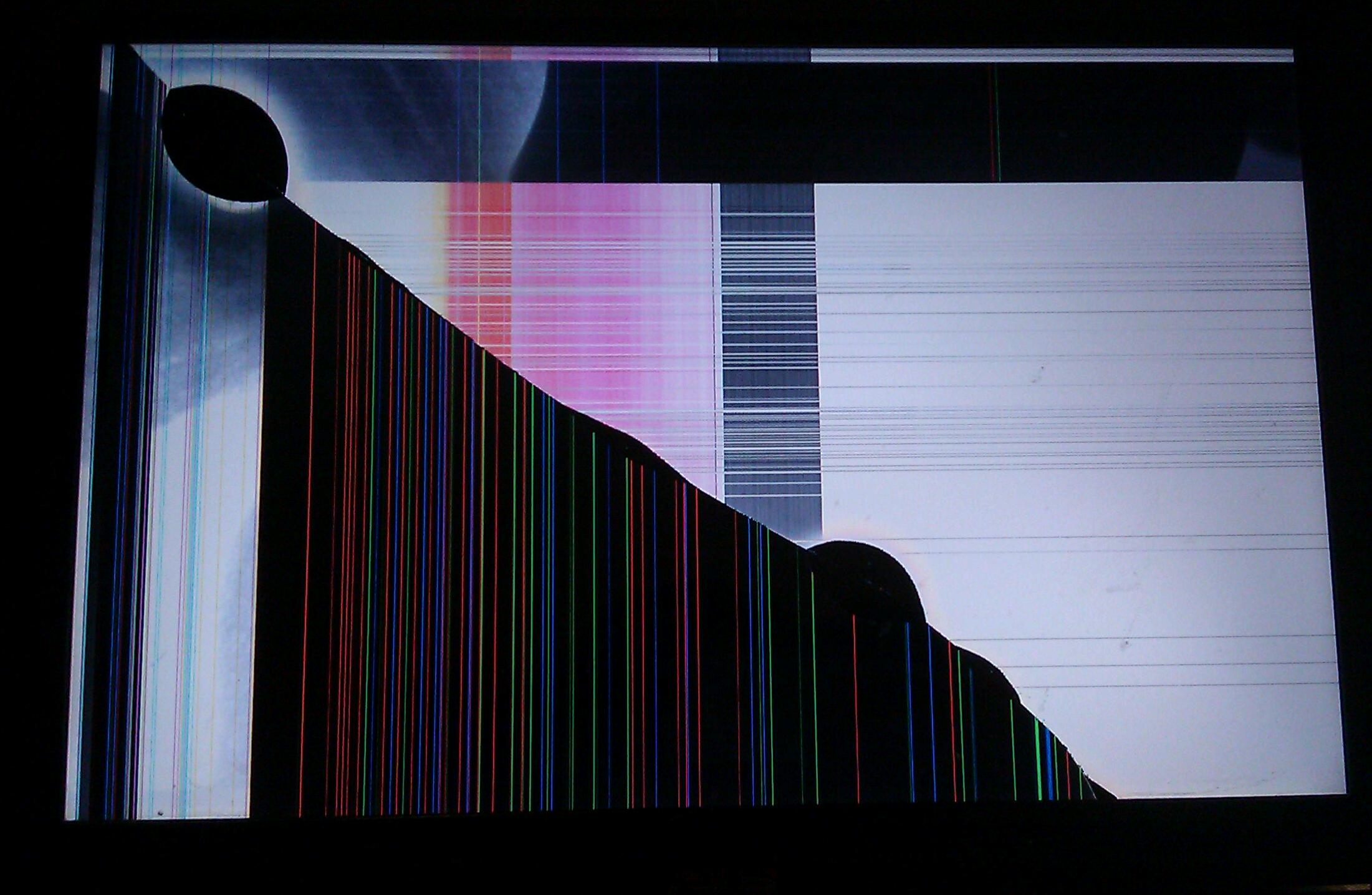
LCD Screen Recycling and Lamps Safely: A Responsible Approach with LCD Buyer
As technology continues to advance, electronic devices are being replaced more frequently than ever before. Televisions become slimmer, monitors sharper, and laptops more powerful with each generation. Alongside this rapid progress, however, comes a growing challenge that often receives far less attention: what happens to LCD screens and specialist lamps once they are no longer needed?
At LCD Buyer, we work closely with businesses and individuals who want to dispose of damaged, obsolete, or surplus screens responsibly. LCD Screen Recycling plays a vital role in preventing environmental harm while ensuring valuable materials are recovered safely.
This article explores why LCD screens and lamps require specialist recycling, the risks of improper disposal, and how a professional LCD Screen Recycling process helps protect people, the environment, and reusable resources.
Understanding What’s Inside LCD Screens and Lamps
LCD technology is widely used across televisions, computer monitors, laptops, industrial displays, and even medical equipment. Although the screens themselves are thin and lightweight, their internal components are far more complex.
Many LCD screens, particularly older models, use cold-cathode fluorescent lamps (CCFLs) as backlights. These lamps rely on mercury vapour to function. This is one of the primary reasons LCD Recycling must be handled with care.
Beyond mercury, LCD screens also contain:
-
Glass layers with specialised coatings
-
Plastics unsuitable for standard recycling streams
-
Metals such as aluminium and copper
-
Electronic components and circuit boards
Without professional LCD Recycling, these materials can pose risks when released into the environment.
Why Improper Disposal Is a Serious Problem
When screens are disposed of incorrectly, the risks extend far beyond landfill space. Over time, materials degrade, and hazardous substances can escape.
Mercury contamination is especially concerning. It can enter groundwater and food chains, creating long-term environmental damage. This is why LCD Screen Recycling is essential rather than optional.
Incineration may seem like an alternative, but without specialist containment systems, it can release toxic vapours. Proper LCD Screen Recycling ensures these risks are controlled rather than transferred.
The Importance of Specialist LCD and Lamp Recycling
Standard recycling centres are not equipped to process LCD panels or mercury-containing lamps. Specialist facilities, equipment, and expertise are required.
Professional LCD Screen Recycling uses controlled environments to isolate hazardous components and recover usable materials safely. This approach protects workers, communities, and ecosystems alike.

How LCD Buyer Approaches LCD Screen Recycling Safely
At LCD Buyer, LCD Screen Recycling follows a structured and carefully managed process designed to reduce risk and maximise recovery.
Controlled Collection and Handling
Every stage begins with careful handling. Screens are stored and transported in a way that reduces breakage, protecting both people and the environment. Safe handling is a core part of effective LCD Screen Recycling.
Enclosed Processing Systems
Once dismantling begins, processing takes place in enclosed, negative-pressure environments. This ensures hazardous particles remain contained throughout the LCD Recycling process.
Material Separation
Glass, plastics, metals, and electronic components are separated so each can follow the correct recycling route. Proper separation is what makes LCD Recycling efficient and environmentally sound.
Mercury Containment
For backlights and lamps containing mercury, specialist systems capture and stabilise vapour safely. This stage is critical to responsible LCD Screen Recycling.
Recovering Value Through LCD Screen Recycling
While safety comes first, LCD Screen Recycling also delivers significant environmental benefits through material recovery.
Metals are reclaimed and reused. Plastics are processed for future manufacturing. Even treated glass can be recycled correctly. By prioritising LCD Recycling, reliance on raw material extraction is reduced.
This supports sustainability while lowering the environmental cost of producing new electronic devices.
Environmental Benefits That Extend Beyond Waste Reduction
The advantages of LCD Screen Recycling extend well beyond landfill diversion. Each recycled screen contributes to:
-
Reduced mining and resource extraction
-
Lower energy consumption
-
Decreased manufacturing emissions
-
Protection of wildlife and ecosystems
Without LCD Recycling, these benefits would be lost, and environmental damage would increase.
Who Benefits from LCD Screen Recycling?
LCD Screen Recycling is relevant across multiple sectors, including:
-
Offices upgrading monitors
-
Retail environments replacing display screens
-
Repair centres handling broken panels
-
Schools and universities refreshing IT equipment
-
Medical and industrial facilities using specialist displays
In all these cases, LCD Screen Recycling offers a safe and responsible disposal solution.
The Risks of Informal Recycling Practices
Attempting to dismantle screens without proper facilities is dangerous. Broken glass, sharp edges, and mercury exposure present real risks.
Unregulated methods undermine the purpose of LCD Recycling and can cause more harm than good. Specialist facilities exist to prevent exactly these outcomes.
Supporting a Circular Economy Through LCD Screen Recycling
A circular economy relies on keeping materials in use for as long as possible. LCD Recycling plays a key role in this system.
Recovered materials are reintegrated into production cycles, reducing waste and supporting sustainable manufacturing. Each correctly recycled screen strengthens the circular economy model.
Shared Responsibility in LCD Screen Recycling
Manufacturers, businesses, and consumers all share responsibility for safe disposal. Choosing specialist LCD Recycling services ensures hazardous waste is handled correctly.
As electronic waste volumes grow, responsible LCD Recycling becomes increasingly important for environmental protection.
The Future of LCD Screen Recycling
As display technology continues to evolve, LCD Screen Recycling methods must evolve alongside it. New materials and thinner designs require ongoing innovation.
Investment in recycling technology ensures future screens can be processed safely and efficiently, reinforcing the importance of LCD Recycling in years to come.
A Safer and More Sustainable Way Forward
LCD screens and lamps are essential to modern life, but their disposal carries serious responsibility. Improper handling creates long-term risks, while professional LCD Screen Recycling provides a safe, sustainable alternative.
At LCD Buyer, LCD Screen Recycling is approached with care, expertise, and a strong focus on environmental protection. Through responsible processing, hazardous materials are contained, valuable resources are recovered, and environmental harm is minimised.
Choosing specialist LCD Screen Recycling is not just the right decision — it is the necessary one for a cleaner future.