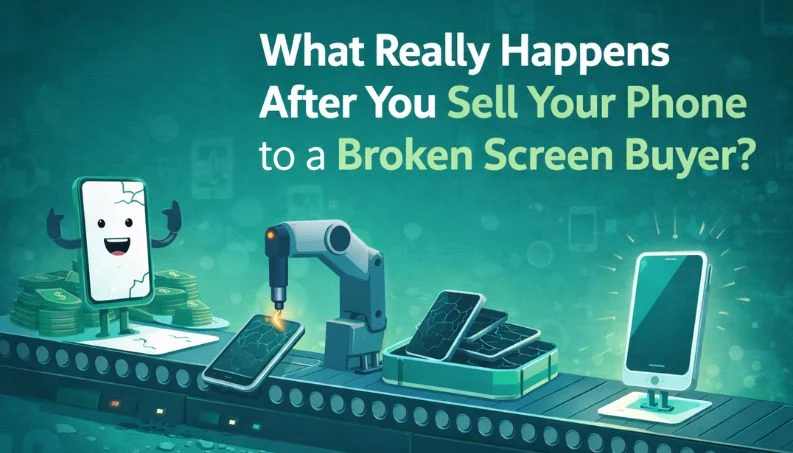
It can be unsettling to sell a broken phone. Many vendors are concerned about whether their gadget will be thrown away or if it will still be useful after the sale. In actuality, once phones are sold to a qualified broken screen buyer, even those with cracked screens or cosmetic damage go through a methodical and responsible process.
“Did You Know? According to research commissioned by Material Focus , 20.7 million unused electrical items are currently stored in UK homes, many of which still hold recoverable value if resold or recycled responsibly.”
Instead of keeping damaged devices in drawers, people in the UK can turn them into valuable items by using services like LCD Buyer. In addition to boosting confidence in the sales process, knowing what comes next demonstrates how damaged phones support a more sustainable tech ecosystem.
Key Takeaways
- Broken phones can still be recycled, refurbished, or used as parts.
- Expert purchasers adhere to a safe and organised procedure.
- Prioritising data security over reuse or disassembly
- Selling earlier maximises the value that remains.
- Responsible resale reduces electronic waste
What really happens once you sell your phone?
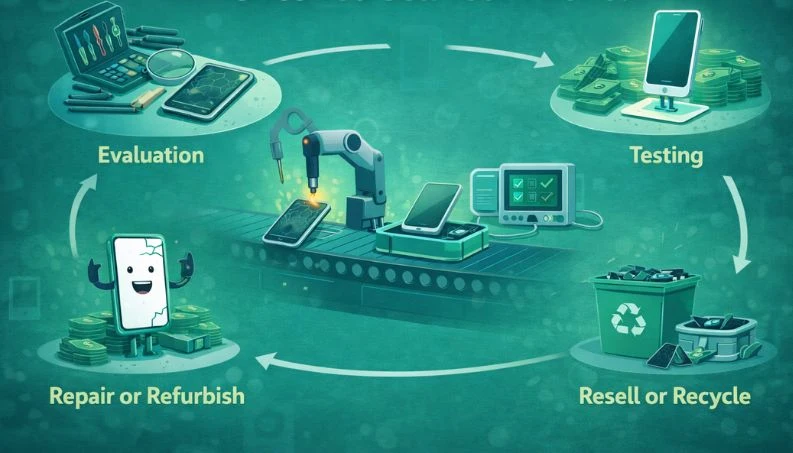
A phone does not go straight into a recycling bin after it is sold. Rather, it follows a straightforward, multi-step procedure intended to recover value in a responsible and safe manner. Data security, component reuse, and environmental compliance are all guaranteed by this methodical approach.
Inspection comes first: assessing the real condition
When a phone reaches a buyer’s facility, it is physically examined. This step determines the best course of action for the device and confirms the condition stated by the seller.
The inspection typically checks:
- Screen condition and touch response
- Power functionality
- Signs of water exposure
- Frame or housing damage
- Battery health
This stage plays a key role in what happens after selling the phone, as it defines whether the device is suitable for refurbishment, part harvesting, or material recycling.
Secure data handling and device wiping
Data security is the foremost priority before any reuse or dismantling. Devices capable of powering on undergo secure wiping using standard data erasure methods. It guarantees the permanent removal of personal information. This process gives privacy, concerned sellers peace of mind, and it is a crucial step in the professional resale chain.
Refurbishment vs recycling: where does your phone go?
Once phones have been checked and the data wiped, they are sorted according to condition. This is the point where many people wonder what phone buyers do with broken or damaged devices.
Phones suitable for refurbishment
These devices may have:
- Cracked screens
- Weak batteries
- Cosmetic wear
They are repaired using replacement parts and prepared for resale or reuse.
Phones beyond repair
Devices that suffer from internal damage and cannot function are broken down in a responsible way. Materials that have value, like copper and aluminum, along with small amounts of precious metals, are recovered through environmentally friendly recycling processes.
Why broken screens still hold value
It is not always true that a cracked screen renders a phone completely worthless. Often, the internal parts are still working perfectly and are highly sought after.
Below is a guide on how various damage types usually impact resale channels:
| Phone Condition | Likely Outcome | Value Recovery Method |
| Cracked screen | Refurbishment | Screen replacement |
| Battery issues | Refurbishment | Battery swap |
| Water damage | Parts recovery | Component reuse |
| Non-functional | Recycling | Material extraction |
This structured approach explains what buyers do with phones once they receive them.
Environmental responsibility in the resale process
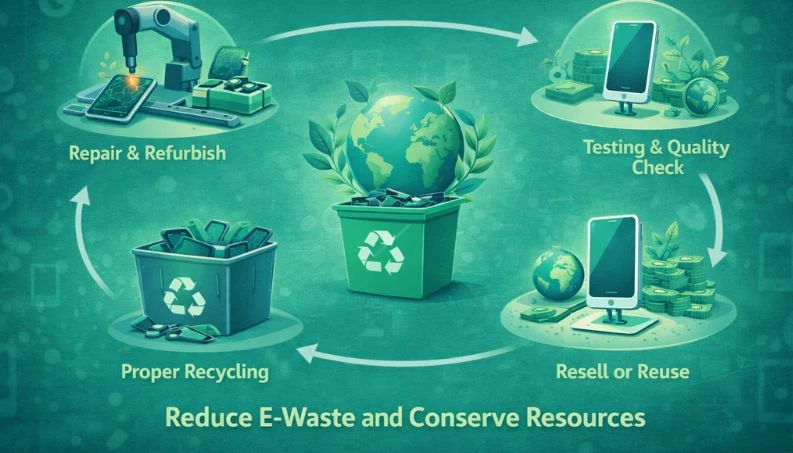
Reselling and recycling phones has a great impact on the reduction of electronic waste. Using parts from old devices reduces the demand for fresh raw materials and lessens the burden of landfills.
Therefore, when you decide to sell your broken phone, you are basically aligning your actions with environmental responsibility besides making a profit.
How the after-selling phone process benefits sellers
Understanding the after-selling phone process helps sellers feel more confident and informed. Instead of worrying about misuse or waste, sellers know their devices are:
- Securely handled
- Properly assessed
- Reused or recycled responsibly
This transparency is one of the reasons professional phone buyers continue to grow in popularity across the UK.
Why selling sooner matters
Phones lose value very fast, particularly when new models hit the market. Even a broken phone gradually loses its value as replacement parts become outdated.
Selling earlier helps ensure:
- Better price outcomes
- Higher reuse potential
- Reduced storage waste
Final step: Giving old tech a new life and value
There is a lifecycle of a phone after resale that involves various stages from inspection to refurbishment or recycling. A broken screen buyer is one of the ways through which damaged devices do not go to waste but are appropriately reintroduced into the tech economy.
Turn Your Broken Phone Into Value Today
If you have a damaged phone sitting unused, now is the right time to act. Choosing a professional and transparent service ensures your device is handled securely and responsibly. Platforms like LCD Buyer simplify the process, making it ethical and worthwhile, turning broken technology into real value instead of unnecessary waste.
Ready to turn your damaged phone into cash? Get in touch today and start the process with confidence.
FAQs
1. What happens to my phone after I sell it?
Your phone is inspected, securely wiped, and then either refurbished, dismantled for parts, or recycled responsibly.
2. Can a phone with a cracked screen still be reused?
Yes, many phones with cracked screens are repaired and refurbished for reuse.
3. Is my data safe after selling a phone?
Professional buyers follow strict data-erasure procedures to remove personal information.
4. Are broken phones recycled responsibly in the UK?
Yes, compliant buyers follow UK environmental standards for electronic recycling.
5. Does selling a broken phone help the environment?
Absolutely. It reduces electronic waste and supports material reuse and recycling.